

Key Takeaways
- Dolls originated in ancient civilizations. They would make dolls from clay and wood, and use them as playthings, to prepare girls for society, and for religious reasons.
- There have been many types of dolls throughout history, including luxurious dolls for nobility in medieval Europe, porcelain dolls, and rag dolls.
- Some of the famous dolls were born in the 20th century. This includes lifelike babies, Raggedy Ann, and Madame Alexander dolls.
Dolls have been loved by children and adults for centuries. But what makes dolls so captivating?
Dolls appeal to us not just for their beauty and variety, but for what they symbolize: a world of imagination, culture, and community. This is why so many people enjoy collecting these figures.
From the simple clay dolls of ancient times to modern icons, explore the intriguing history of dolls and what makes them so special at Beach House Gift Boutique!
Dolls Trace Back to Ancient Civilizations
Dolls can be traced all the way back to ancient civilizations! This includes Egypt, Greece, and Rome. These types of dolls were often made from simple materials like wood, clay, and stone.
But they weren’t just play dolls for young girls. They were also used for:
- Religious rituals
- Talismans for protection
- Tools that prepared children for marriage and adulthood
One popular doll in ancient Greece was the Plagon doll. They date as far back as the 7th century BCE and were mostly made of terracotta, ivory, and wax. Plagons were both fun and educational, introducing girls to the roles and obligations of a woman in society.
Dolls Were a Symbol of Status in Medieval Europe
Dolls experienced a shift in medieval Europe, representing royalty and nobility. They were symbols of status, showcasing elite doll clothes crafted from luxury materials like silk.
Of course, every country and culture had its own unique types of dolls and purposes. The earliest evidence of commercial doll production, for example, comes from Nuremberg, Germany in the 14th century. Meanwhile, in Southern Africa, groups like the Zulu adorned figures with colorful beads and used them as fertility charms!
19th Century and Mass Production: Dolls Become More Lifelike
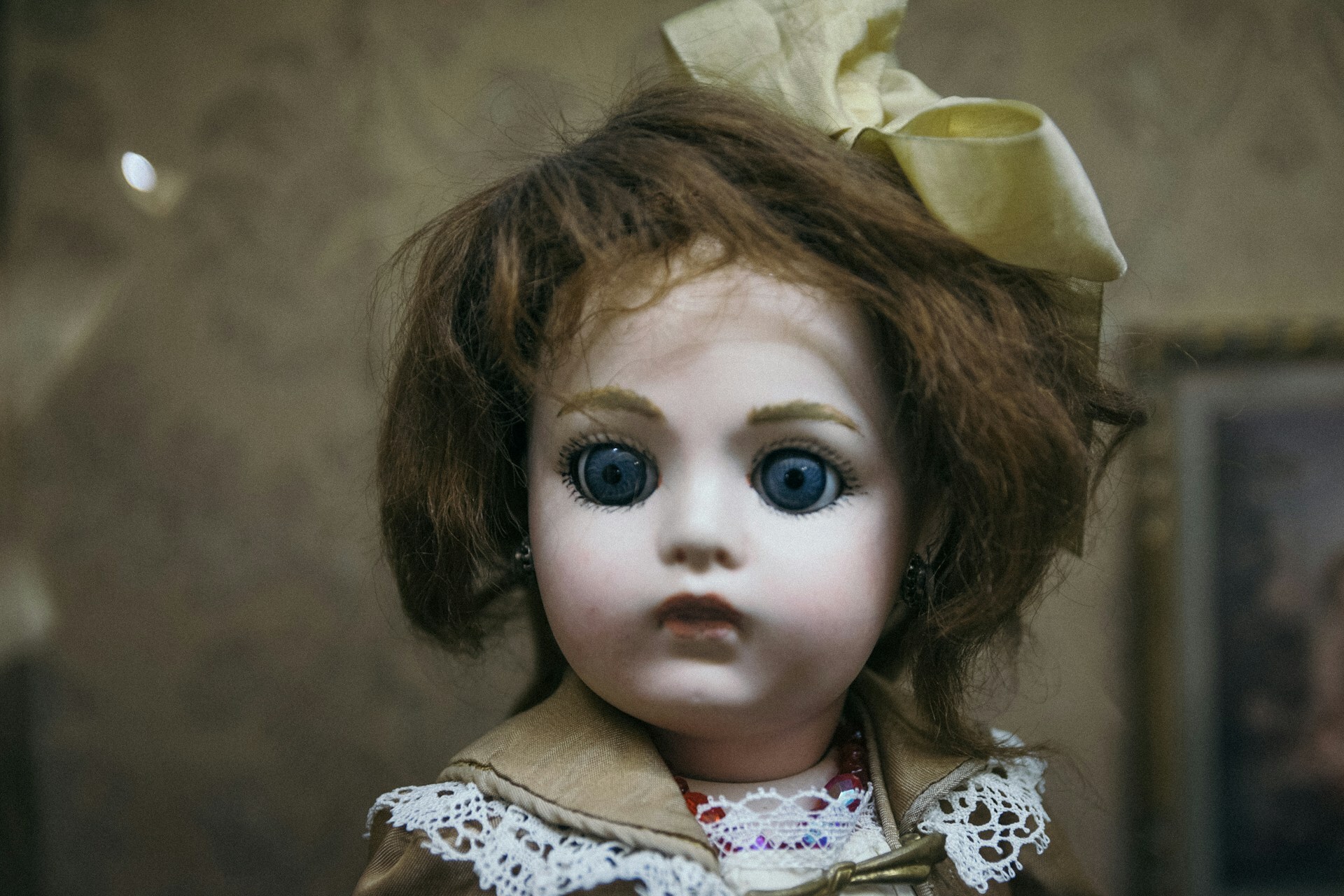
As coal and steel manufacturing processes evolved during the Industrial Revolution, so did dolls. Materials and technology played a huge role. This era saw the introduction of materials and techniques, such as porcelain and detailed paintings, to achieve a higher degree of realism.
One of the notable types of dolls during this historical period was the rag doll. Rag dolls are actually one of the oldest children’s toys in existence, dating back to ancient Egypt and Rome. But rag dolls became mass-produced in 1830 when fabric color printing first began.
Iconic Dolls Were Born in the 20th Century
Most of us are more familiar with 20th-century models. That’s because this period saw the birth of many famed brands. Companies also began to make dolls out of plastic, making them more durable and affordable to the masses.
Some of the most popular types of dolls included:
Baby Dolls
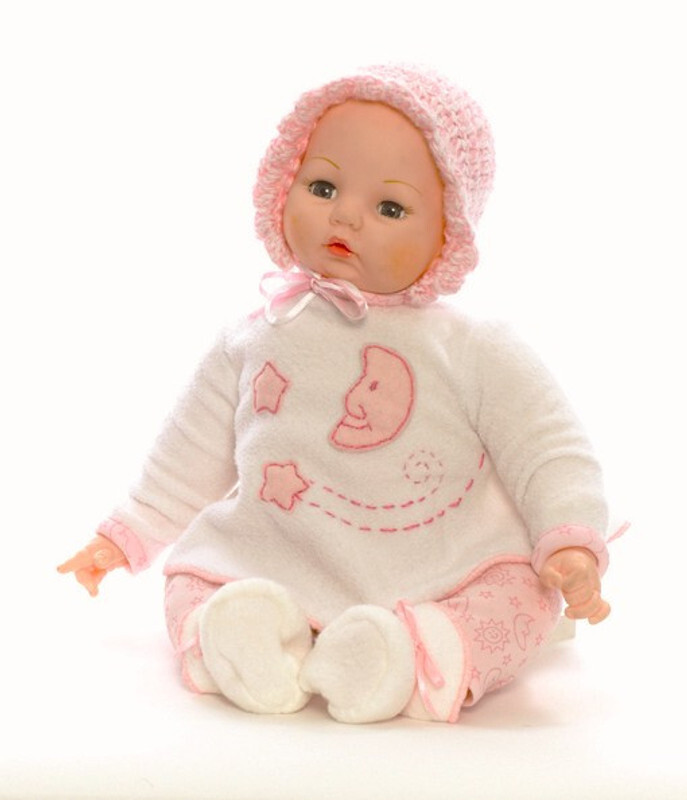
Early 20th-century baby dolls went from delicate bisque and porcelain materials to soft vinyl and other plastics. These new materials allowed for more realistic baby dolls with features, like belly buttons.
This era also saw the invention of drink-and-wet types of baby dolls to enhance the imaginative play experience.
Raggedy Ann
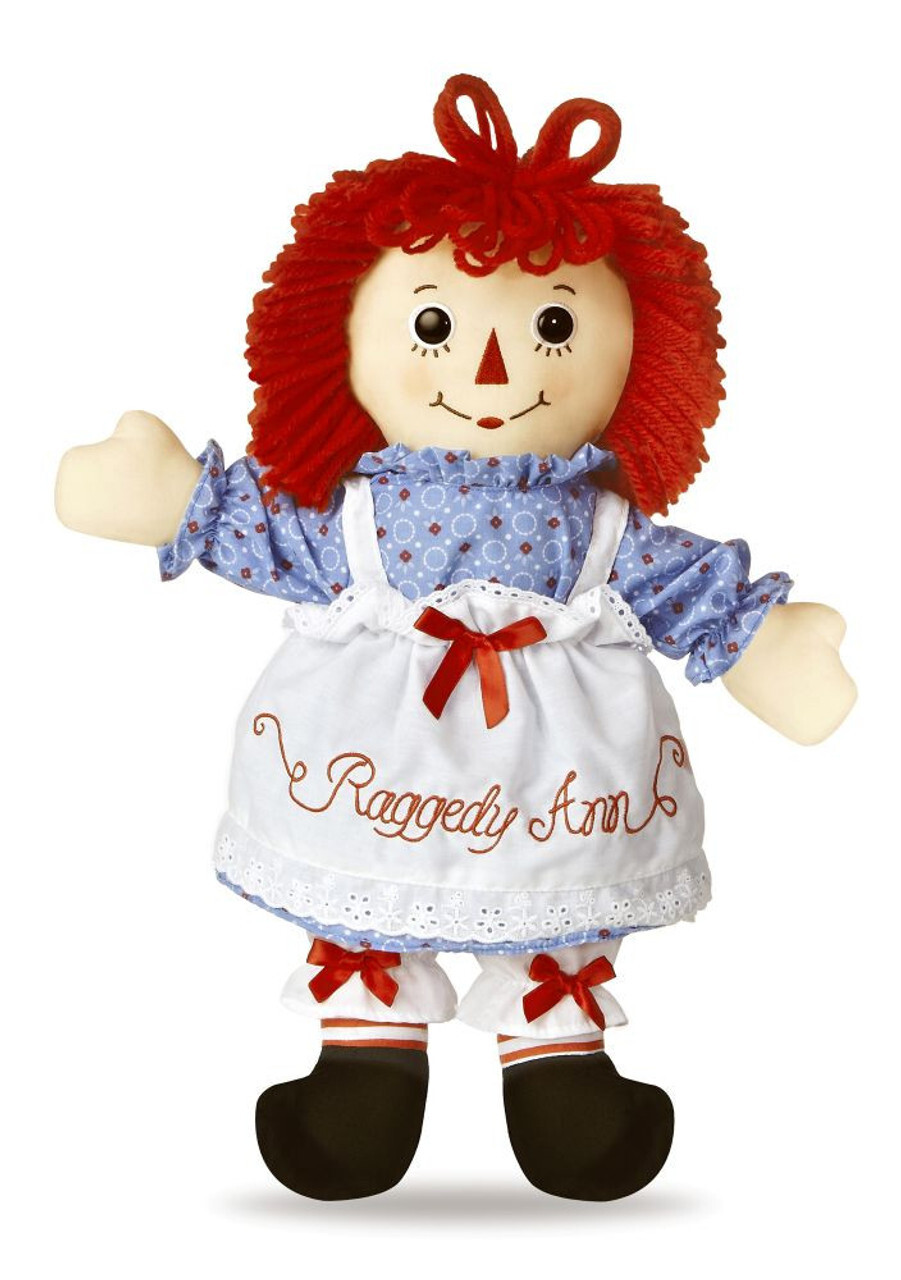
Raggedy Ann was a staple in American households. The character was created by Johnny Gruelle in the early 1900s, who wrote and illustrated books featuring the adventures of his daughter and her doll. These popular dolls are still made and loved today.
Madame Alexander Dolls
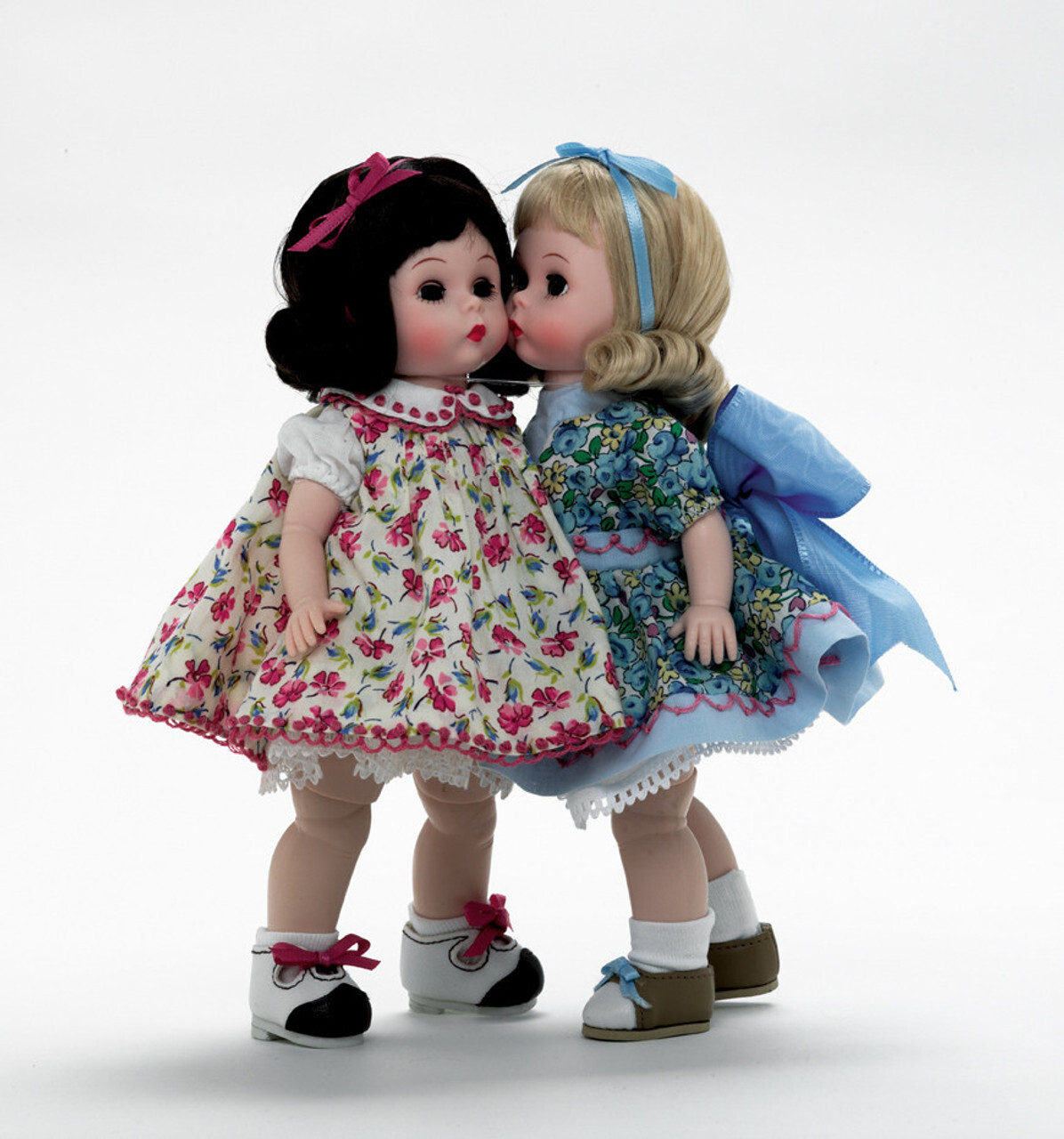
No history of dolls would be complete without Madame Alexander dolls. The company was founded by Madame Beatrice Alexander in 1923 and is still operating to this day.
Alexander believed that dolls could be played with and loved without breaking, like the porcelain dolls of her time. She was also committed to delivering lifelike dolls with exceptional quality and details, which is apparent in all types of Madame Alexander dolls.
The company is best known for licensing literary and film characters, from Dorothy of The Wizard of Oz to Scarlett O’Hara from Gone with the Wind. Many vintage Madame Alexander dolls have even been featured in the Smithsonian Museum!
Celebrate the History of Dolls at Beach House Gift Boutique
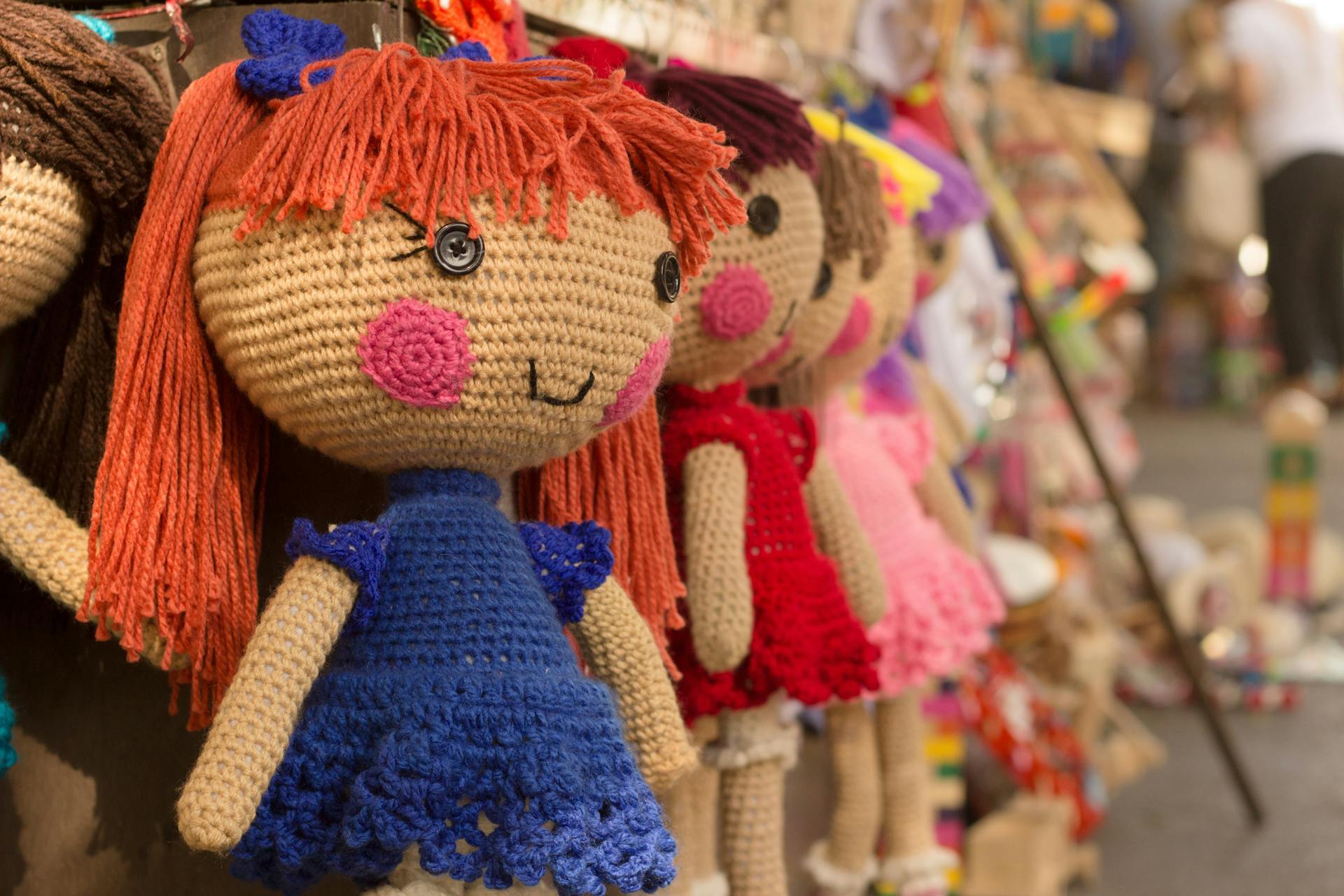
There are many different types of dolls around the world. While it would be impossible to list them all, each one holds a unique and special place in the rich world of dolls.
We celebrate this history at Beach House Gift Boutique with our personally curated collections. Explore these collectible doll gifts today!